
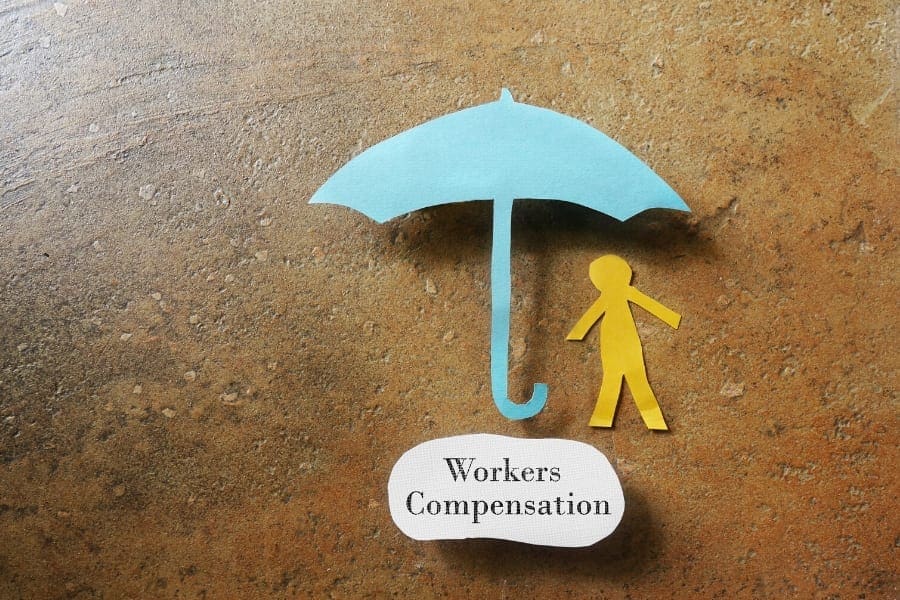
Have you heard of workers’ compensation? If you're an employer then workers’ compensation is something that you need to make yourself aware of, and fast.
As an employer, you’re legally required to provide these compensation packages and protection for your employees. In the instance of an accident, a slip, trip or another kind of injury that prevents an employee from coming into work, workers’ compensation policies will protect your employee and you as a business, should they decide to sue you for damages.
A workers compensation definition is a type of insurance that covers your employees' medical bills and wages should they become injured at work and as a result of their injuries, can no longer work or earn a living.
Want to find out more? Read on for a guide to workers’ compensation.
So, what does workers’ compensation cover?
Not to be confused with health or general medical insurance, workers’ compensation is specifically for work-related issues and injuries and illnesses. The following aspects are covered with workers compensation:
- Medical bills
- Pharmaceutical care
- Healthcare
- Rehabilitation
- A portion of the employee’s salary
How does it benefit you as an employer?
Simply put, as an employer you need to provide a safe working environment for all your employees, so they’re protected and covered whilst in your employment. It can also, potentially prevent employees from taking legal action against you as a result of their accident. Something which no employer wants. It’s also a legal requirement and you face fines and legal action if you fail to provide this coverage.
How it works
The process is straightforward, but it can be lengthy so you and your injured employee must take action as soon as possible. If an employee becomes ill or is injured whilst at work, it's your responsibility to ensure they seek medical treatment and then provide them with the correct forms and documentation so they can make their claim. Then, you file a claim on their behalf and a decision is then made by the insurance company. Much like any other insurance claim. Once their claim is approved, they'll begin to receive their benefits and you can work with them to create a back-to-work plan.
What kind of injuries are the most common?
Of course, this depends on the kind of business you're running, but generally speaking, these injuries are the ones that are filed for most often:
- Slips, trips and falls: A wet floor, falling over uneven floor tiles or even in the parking lot. A slip, trip or fall can render an employee with debilitating injuries and see them out of work whilst they recover.
- Repetitive Strain Injury: Whether you have employees working at desks, or working on a production line, RSI is common in the workplace and incredibly painful. It can take months of rest and rehabilitation to improve the condition.
- Struck by an object: This could be a falling object in an office or being struck by a truck making a delivery in your warehouse, the possibilities and scenarios are extensive.



0 Comments