
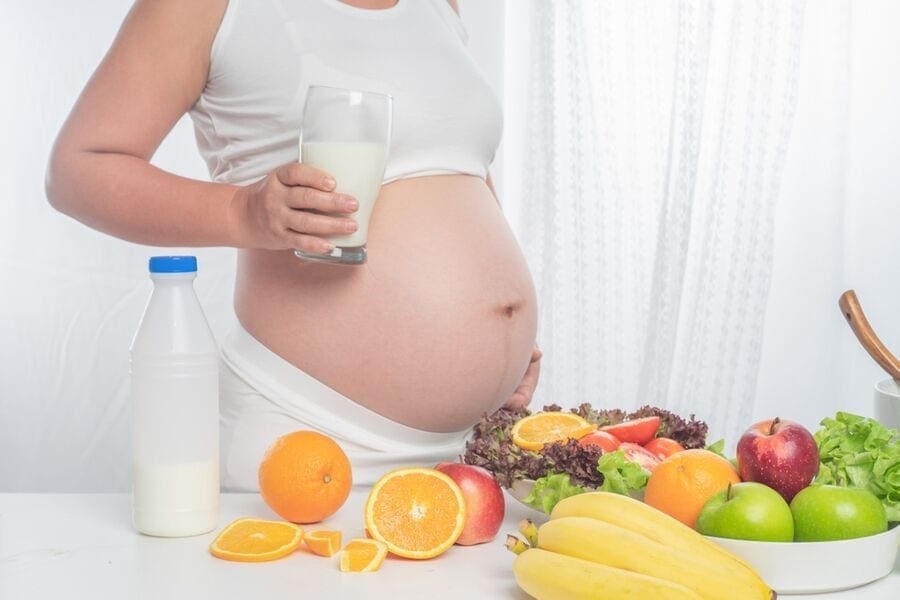
Pregnancy is a milestone in every woman’s life. There’s nothing more rewarding than knowing that another person is growing and developing inside of you.
And while the experience of pregnancy can be fulfilling, it can also be very stressful. Mums-to-be have to exert time and effort to ensure that they and their babies are healthy throughout the pregnancy. Whatever the mums do or don’t do can significantly affect the unborn baby’s health and development.
Ensuring that you and your baby are healthy during the pregnancy might be challenging, but it can always be done. As long as you’re careful and consistent with your efforts, you can surely attain optimal health for yourself and for your baby.
Here are some tips to help you out:
1: Take A Supplement
Your body’s nutritional needs will change once you’re pregnant. Since you’re carrying another life, your nutritional needs will increase. You’ll be consuming foods for two persons, not only for yourself. To ensure that your baby will not lack any nutrients, take supplements such as prenatals. These supplements contain folic acid and vitamin D, which are necessary for your baby’s development.
Consuming a sufficient amount of folic acid can reduce the baby’s risk of developing neural tube defects. Vitamin D, on the other hand, is important for your baby’s bone health and skeleton development.
2: Always Eat Well
Your eating habits will have to change once you become pregnant. If you want your baby to achieve optimal health, you need to avoid eating too much fast food and drinking sugary beverages. During your pregnancy, you should aim to eat a healthy and balanced diet, which can include:
- Consuming at least five portions of fruits and vegetables every single day. The more varied the servings are, the better.
- Starchy foods such as pasta, bread, and rice should be minimized. Starchy foods contain carbohydrates, which is why this food group should only be a third of what you eat. Instead of eating white rice and bread, opt to look for wholegrain varieties as these contain more fiber.
- Your daily meals should always include servings of fish, eggs, beans, nuts, and lean meats, as these types of food are packed with protein.
- Look for ways to inject dairy products such as cheese, milk, and yogurt to your diet as well. If you’re planning to use these types of food as main ingredients to desserts, consume them in moderation as desserts usually contain sugar and carbohydrates.
- You should also have two portions of fish once a week. If possible, you should consume oily foods such as mackerel, sardines, and salmon.
3: Exercise Regularly
You don’t need to be a rocket scientist to know how vital exercise is to your overall health. Exercise can bring a lot of benefits to your bones and muscles, can reduce your risk of experiencing chronic diseases, and can improve your relaxation and sleep quality. Now that you’re carrying another human being in your womb, the importance of exercise intensifies. You need to exercise regularly to improve your posture and relieve any discomfort associated with backaches and fatigue. However, since you’re pregnant, you need to be gentle with your exercise; going overboard can also put your pregnancy at risk and can even harm the baby. During your pregnancy, consult your doctor about the exercises that you can do that won’t put the baby in harm’s way.
4: Cut Out Alcohol
Before pregnancy, you can drink alcohol to relieve yourself from stress or celebrate any occasion. When taken in moderation, alcohol can also have positive effects on your health. But now that you’re pregnant, things will have to change—and by change, this means that you have to cut out alcohol from your diet. Regardless of the occasion, alcohol is a big no-no during pregnancy.
A small amount of alcohol can increase your risk of having a miscarriage, especially if you drank too much during your first trimester. If you don’t want your baby to suffer from fetal alcohol spectrum disorders (FASD), you should discipline yourself to avoid drinking alcohol at all costs.
5: Prioritise Getting Some Rest
It’s typical to be fatigued during your pregnancy. This happens because there are now high levels of pregnancy hormones circulating in different parts of your body. As your pregnancy progresses, you’ll see yourself waking up in the middle of the night to go to the loo, and you’ll feel uncomfortable when sleeping.
As early as possible, practice sleeping on your side. Doing this will reduce the risk of stillbirth. If your sleep is uninterrupted at night, take a quick nap in the middle of the day and catch up by sleeping earlier than your sleeping schedule. Put your feet against a wall and relax for thirty minutes before sleeping, too.
It’s Going To Be Worth It
Your responsibility as a parent begins once you conceived, not after giving birth. Follow the tips presented in this article to ensure that you’ll be able to meet your responsibility with ease. And instead of pressuring yourself to be the best parent, have fun and enjoy the experience. All of your efforts will be rewarded once you give birth to a healthy baby!
on September 18, 2019


0 Comments