
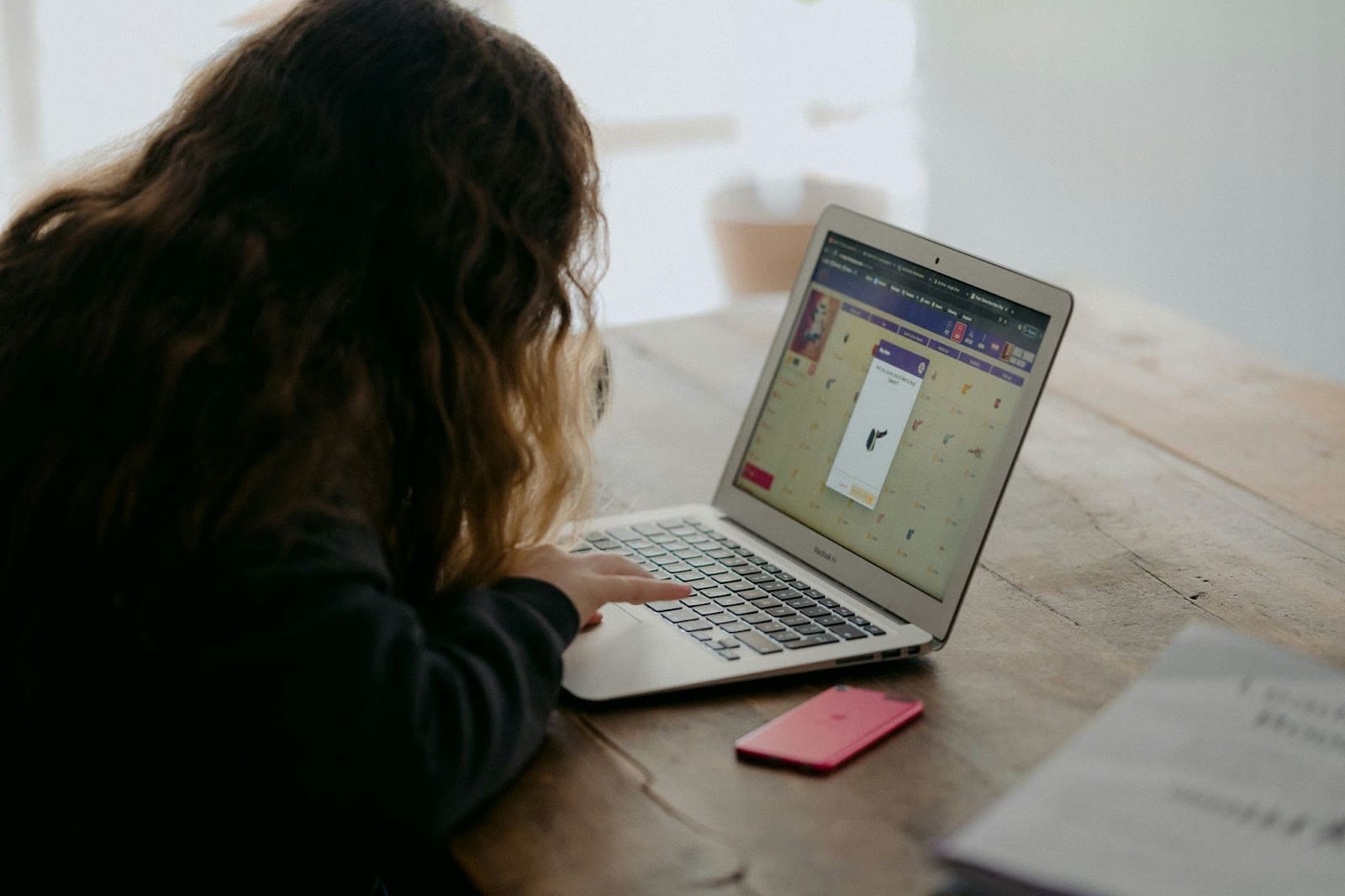
The internet is an incredible resource for kids and teens, offering a wealth of information, entertainment, and social interaction. However, it’s essential to navigate this vast digital landscape responsibly and safely. Here are some tips to help young people use the internet responsibly.
1. Embrace Online Educational Resources
One of the greatest advantages of the Internet is access to many educational resources. Websites like Khan Academy, Coursera, and National Geographic Kids provide free, high-quality educational content on various subjects. These platforms can supplement schoolwork, help with homework, and offer opportunities to learn new skills and hobbies.
When using educational resources, it’s crucial to verify their credibility. Always look for well-established websites with expert-reviewed content. Additionally, parents and teachers can help by recommending reliable educational sites and monitoring usage to ensure the information is accurate and age-appropriate.
2. Protect Your Personal Information
You may have wondered: How does Google know everything? The internet is a public space, and it’s important to be cautious about the personal information you share. Personal details like your full name, address, phone number, school name, and even your birthday can be used by others to identify or locate you. This information should be kept private and only shared with trusted individuals and secure websites.
Kids and teens should be educated about the risks of oversharing on social media. Posting too much personal information can lead to identity theft, cyberbullying, or unwanted contact with strangers. Using privacy settings on social media accounts can help control who sees your posts and personal details.
3. Think Before You Post
Once something is posted online, it can be challenging to remove it entirely. Photos, videos, and comments can be copied, shared, and archived indefinitely. It’s essential to think carefully before posting anything online. Ask yourself if the content is appropriate, respectful, and something you’d be comfortable with others seeing.
Encourage kids and teens to consider the potential long-term consequences of their online activity. Colleges, employers, and other organisations often review social media profiles, and inappropriate posts can impact future opportunities.
4. Be Mindful of Screen Time
While the internet offers countless benefits, it’s essential to balance online activities with offline ones. Excessive screen time can lead to physical health issues like eye strain, poor posture, and disrupted sleep patterns. It can also impact mental health, contributing to anxiety, depression, and social isolation.
Set limits on daily screen time and encourage breaks to engage in physical activities, hobbies, and face-to-face interactions. Establishing a routine that includes a healthy mix of online and offline activities can promote overall well-being.
5. Stay Safe from Cyberbullying
Cyberbullying is a serious issue that affects many young people. It involves using the internet to harass, threaten, or humiliate others. Kids and teens need to understand that cyberbullying is harmful and unacceptable behaviour.
If you experience or witness cyberbullying, report it to a trusted adult, such as a parent, teacher, or school counsellor. Social media platforms and websites often have tools to block and report abusive users.
6. Use Strong Passwords and Enable Security Features
Online accounts should be protected with strong, unique passwords to prevent unauthorised access. A strong password typically includes a combination of letters, numbers, and special characters. Avoid using easily guessable information, such as birthdays or common words.
Enable two-factor authentication (2FA) whenever possible. This adds an extra layer of security by requiring a second form of verification, such as a text message code, in addition to the password. Regularly update passwords and be cautious about sharing them with others.
7. Verify Information Before Sharing
The internet is filled with information, but not all of it is accurate or trustworthy. Before sharing news, articles, or other content, verify its authenticity. Use reputable sources and cross-check information to ensure that it is correct.
Misinformation can spread quickly and cause harm. By developing critical thinking skills and being discerning about the information you encounter, you can help combat the spread of false information.
8. Foster Healthy Online Relationships
The internet allows us to connect with people from around the world, but it’s important to foster healthy and respectful online relationships. Be kind, considerate, and respectful in all online interactions. Avoid engaging in harmful behaviour, and remember that there is a real person on the other side of the screen. These communication skills are essential both in personal life and in future careers, including roles that involve remote collaboration, for example, with a voice over agency where teamwork and respectful dialogue support successful creative projects.
In Conclusion
By following these tips, kids and teens can navigate the internet safely and responsibly. Embracing educational resources, protecting personal information, and fostering healthy online habits will help young people make the most of their digital experiences while minimising risks. The internet is a powerful tool, and with the right guidance, it can be used to enhance learning, creativity, and connections.



0 Comments